

Build a dog grooming welcome packet with client intake forms, vaccine records, releases, salon policies, pickup authorization, and editable templates
A grooming welcome packet is a short set of client documents you collect before a pet's first groom. It should hold the essentials: owner and emergency contacts, a signed release, vaccine proof, your policies, and pick-up authorization. Send it as a fillable PDF or a link in the booking confirmation, so clients finish it before they arrive.
TL;DR
- Publish the cancellation cutoff, deposit forfeiture, late pick-up grace period, and extra fee amounts before booking, then repeat cancellation terms in confirmations and reminders.
- Check applicable rabies vaccination requirements and your salon's policies, request appropriate proof, and verify expiration dates before appointments.
- List possible additional charges for matting, flea treatment, or difficult handling, and get the owner's approval before adding any fee.
- The release should address emergency veterinary care, identify the clinic to contact first, and explain responsibility for treatment costs.
- Keep photo and privacy consent separate from the grooming release so clients can decline marketing use without losing access to ordinary grooming services.
Build a More Complete Grooming Packet
PawBizWorks offers editable templates and forms for pet professionals, helping groomers organize client information and business operations.
What client intake fields should your form collect?
Start with the person, then the pet. A complete intake form saves you from chasing details at the front desk while a nervous dog waits on the table.
For the owner, collect:
- Full legal name of the owner or guardian, plus the name of any co-owner who may drop off or pick up.
- Mobile number, email address, and mailing address, with a checkbox for the preferred contact channel (text, call, or email).
- Emergency contact with name, relationship, and phone number, ideally someone other than the owner.
- Authorized pick-up names, so staff know exactly who may take the dog home.
- Primary veterinarian, clinic name, and clinic phone, which you will need quickly if something goes wrong mid-groom.
- A line or upload field for vaccine proof, so the document lives with the intake record instead of in a text thread.
For the pet, collect:
- Name, breed, age, sex, and weight, since weight often drives pricing and table or tub choice.
- Microchip ID, if the pet has one, which helps if a dog slips its leash after pick-up.
- Allergies, current medications, and chronic conditions such as arthritis, heart disease, or skin problems.
- Bite or snap history, noise sensitivity, and any areas the dog dislikes having touched.
Finish with two separate consent sections: one for photos or video taken during the groom, distinguishing marketing use from record-keeping, and another covering how you collect, store, and protect client and pet information. A privacy notice is generally more appropriate than asking clients to waive privacy rights.
Before the form goes live, read it as a first-time client would. Anything you would have to ask twice at the door belongs on the form. Our Dog Grooming Forms Checklist is a handy way to confirm you have not skipped an important document.
What release and health-disclosure language protects your salon?
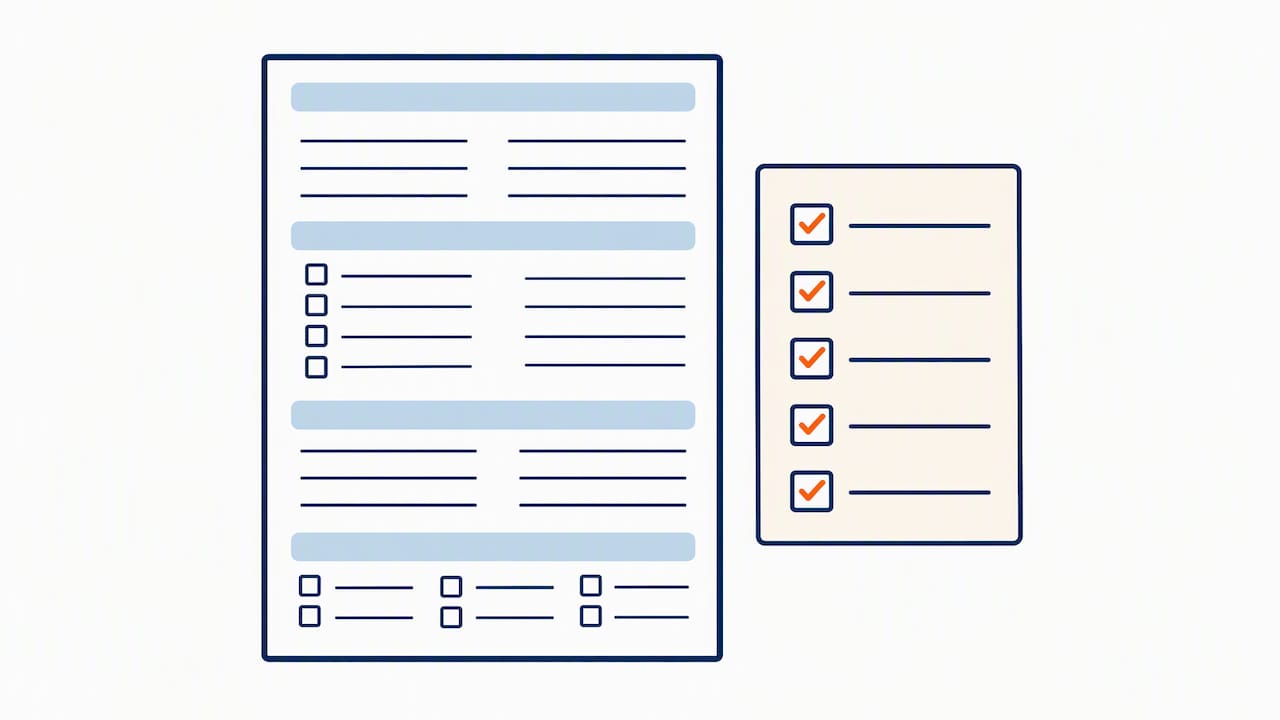
Your release turns an informal appointment into a documented agreement. Keep the clauses short and readable, because unclear terms can cause misunderstandings and disputes. Model each of these in plain, concise language:
- Grooming risks. The owner acknowledges that grooming involves clippers, blades, heat, and restraint, and that nicks, clipper irritation, or stress reactions can happen even with careful handling.
- Emergency veterinary care. The owner authorizes you to seek veterinary treatment if the pet shows distress, names the clinic you will call first, and acknowledges the agreed responsibility for treatment costs.
- Medical-condition checklist. A short tick-box list covering skin conditions, recent surgeries, current medications, seizures, and heart or breathing problems, with a signature confirming the answers are accurate.
- Behavior and handling. The owner discloses any history of biting or aggression, acknowledges the handling methods you describe (such as a muzzle or a second handler), and receives notice of any additional difficult-handling fee before it is applied.
- Records. A note explaining where you store signed releases and how long you retain them. Retention periods should follow applicable law, insurer requirements, and your documented business policy.
Pro Tip: Ask the owner to initial next to the medical checklist, not just sign at the bottom. Initials can provide an additional record that the client reviewed that section, although they do not guarantee enforceability.
For deeper clause wording, our Dog Grooming Service Agreement Template breaks down the clauses that pair with this release.
Have a qualified local attorney review the release and policies before relying on them for legal protection.
Which policies should clients agree to before the first groom?
Policies work when clients see them at booking, not at the counter. State each one in plain language, add the dollar amount or time limit, and have clients sign to confirm they read them.
- First-time deposit. Name the amount, say it applies toward the groom, and explain when it may be forfeited. Example: "A deposit holds your first appointment and is credited to your final bill."
- Cancellation window. Give a clear cutoff for notice and say what happens when a client cancels inside it. Repeat the window in the booking confirmation and the reminder message.
- No-show fee. Set a fee, explain when it is charged, and say whether repeated no-shows affect future online booking. Our Dog Grooming Cancellation Policy guide shows deposit, no-show, and late-fee wording you can adapt.
- Late pick-up. Offer a grace period, then explain any late pick-up charge and what happens if a pet is left past closing. Spell out any daily charge for extended stays.
- Extra fees. List what can raise the price: heavy matting, a second wash, aggressive-pet handling, or flea treatment. Say you will tell the owner before adding the charge and explain what happens if the owner declines.
- Pricing transparency. Include a price range or "starting at" guide for each service so a surprise at pick-up is rare. Our Pet Care Pricing Guide helps you think through those add-on fees.
Also cover payment methods and when payment is due. If you offer card-on-file billing, explain how you securely process payment credentials and obtain any necessary authorization before charging cancellation or missed-appointment fees.
What vaccine and flea rules should be stated clearly?
Health rules protect every dog in your salon, so state your requirements clearly and distinguish salon policy from legally required vaccination.
- Rabies proof. Determine the applicable local or state requirements and list the records your salon accepts, such as a veterinary certificate or clinic documentation. The AVMA's model rabies-control document provides useful background. Check expiration dates during booking instead of waiting until drop-off.
- Other vaccines. If you require vaccinations such as distemper or Bordetella, list them separately so clients know which are mandatory under your salon's policy.
- Fleas. Decide whether you decline service or offer treatment for a fee, state the policy, and record findings in the pet's file along with any owner-approved charges.
- Hygiene and signage. Post a handwashing reminder near the lobby and explain your cleaning practices between pets. Infection prevention matters wherever animals and people interact.
Why this matters: The AVMA's 2023 guidance on disease prevention in public settings discusses measures such as signage and handwashing that help reduce infection risks.
For more information about rabies prevention, refer clients to the CDC's guidance for veterinarians.
How should you format and deliver the packet?
The best format is the one clients actually finish before they arrive. Match the file type to the moment.
- Welcome letter. Keep it friendly and short: who you are, what to expect on grooming day, and a note that paperwork is required before the first visit.
- Acknowledgment. A signature page confirming the client read the release and policies, with separate acknowledgments where legally necessary.
- Printable PDF. Useful for in-salon use, walk-ins, and clients who prefer paper at drop-off.
- Fillable PDF or web form. Useful before the appointment, because clients can fill it out on a phone and return their information.
- Delivery routes. Add the packet link to your booking confirmation, client portal, and appointment reminder. Compatible booking or messaging systems can help automate follow-up requests.
- E-signatures and records. Accept signatures through a reputable electronic-signature tool where permitted, and save a dated copy of each signed document in the client's file.
Pro Tip: Send the packet link as soon as a booking is confirmed, then include it again in the appointment reminder. Follow up gently if required forms aren't completed before the visit.
A boarding guide from BarnBeacon illustrates a similar welcome-packet structure in another pet-business setting: welcome letter, policies, emergency contacts, and signed acknowledgment.
What does a complete welcome packet look like in order?
Use this order for your packet. It moves from friendly to formal, and it puts the heaviest items where clients can complete them calmly at home.
- Welcome note. A short letter introducing your salon and explaining what happens on the first visit.
- Client and pet intake. Contact details, emergency contact, veterinarian information, and pet history.
- Vaccine proof. Upload or attach appropriate vaccination records and confirm their expiration dates.
- Release and health disclosure. The signed release and medical checklist.
- Policies. Deposits, cancellations, late pick-up, and extra fees, with acknowledgment.
- Payment and additional consent. Payment authorization where applicable, plus separately presented photo permissions and privacy information.
Complete items 2 through 6 before the appointment through your booking link where possible. At drop-off, confirm pick-up authorization and review any changes since you submitted the forms.
A simple signature flow might use one acknowledgment page covering the applicable required policies, with separate consent where needed, and a staff checkbox marked "vaccine proof verified" with the date and staff initials.
A free pet boarding checklist also provides an example of a printable drop-off handout.
How do our templates map to the packet?
We built our kits so you do not have to start from a blank page. You can customize the editable files to match your salon's policies, branding, and daily operations.
- The Dog Grooming Business Starter Kit includes grooming-specific forms and business resources for assembling a welcome packet.
- The Clients & Bookings collection covers booking, communication, and retention templates that match the delivery steps above.
- The Customer Service & Complaint Resolution Kit helps organize responses when clients dispute a fee or service result.
Here is a checklist we suggest following to get started:
- Download the appropriate kit and open the intake and release files.
- Replace the placeholder salon name, address, and fee amounts with yours.
- Match policy wording to your actual cancellation and late-pick-up rules.
- Create printable or fillable versions using compatible software and add the packet link to your booking confirmation.
- Test the full process yourself, from booking to a completed, securely stored file.
Our take: the omissions we see most often
In our experience creating templates for groomers, two easy-to-overlook areas are an incomplete emergency contact and unclear pick-up authorization.
The fix for the first is a required field that cannot be left blank. The fix for the second is a line that names exactly who may collect the dog, with an identity-checking procedure when appropriate.
A third problem is wording that sounds like a contract instead of a conversation. Read each clause out loud; if you stumble, rewrite it. Then test the packet with new clients and note every question they ask. Each question points to a line that may need clearer wording, helping you refine the packet and reduce follow-up questions.
— PawBizWorks Team
A faster route to a finished grooming packet
You can draft forms from scratch, or you can start with templates built for pet businesses and edit them to fit your needs. We designed our kits so a groomer can open a file and customize the details to create a working packet.
- Our Dog Grooming Business Starter Kit provides editable resources for a grooming business. Check the current product listing for the exact contents and price.
- Our Clients & Bookings collection brings together booking and client-communication kits. The website lists current prices.
- Digital products are delivered according to the download and format information shown on their individual product pages.
Download the appropriate kit, follow the five-step checklist above, and prepare your welcome packet for your next booking confirmation.
FAQ
What should a dog grooming welcome packet include?
It should include client and pet intake, emergency contact, appropriate vaccine records, a signed release, and your policies. Add pick-up authorization and separate photo permissions and privacy information so staff understand what is authorized.
How should I send the welcome packet to new clients?
Send a fillable PDF or web form link with the booking confirmation, then repeat it in the reminder message. Keep a printable copy at the front desk for walk-ins and clients who prefer paper.
Do I need proof of rabies vaccination before a first groom?
Requirements depend on your location and business policy. Many grooming salons require proof of current rabies vaccination before accepting a dog. Check applicable local and state rules, establish an appropriate documentation policy, and request records at booking rather than waiting until drop-off.
How do I handle client information changes after the packet is submitted?
Ask clients to send updates through your secure client portal or designated contact channel, and record the date of each change in their file. Reconfirm emergency contacts and pick-up names periodically or whenever a client reports a change.
Can I charge extra for matted or difficult pets?
You may be able to charge additional fees when they comply with applicable law, are clearly disclosed in your policies, and are approved by the owner as required. List relevant situations, such as matting, a second wash, difficult handling, or fleas, so charges aren't a surprise.
Recommended
- Dog Grooming Forms Checklist 2026: 12 Essential Client Forms
- Dog Grooming Service Agreement Template 2026: 10 Essential Clauses
- Dog Grooming Cancellation Policy 2026: Fees, No-Shows & Late Arrivals